
Article
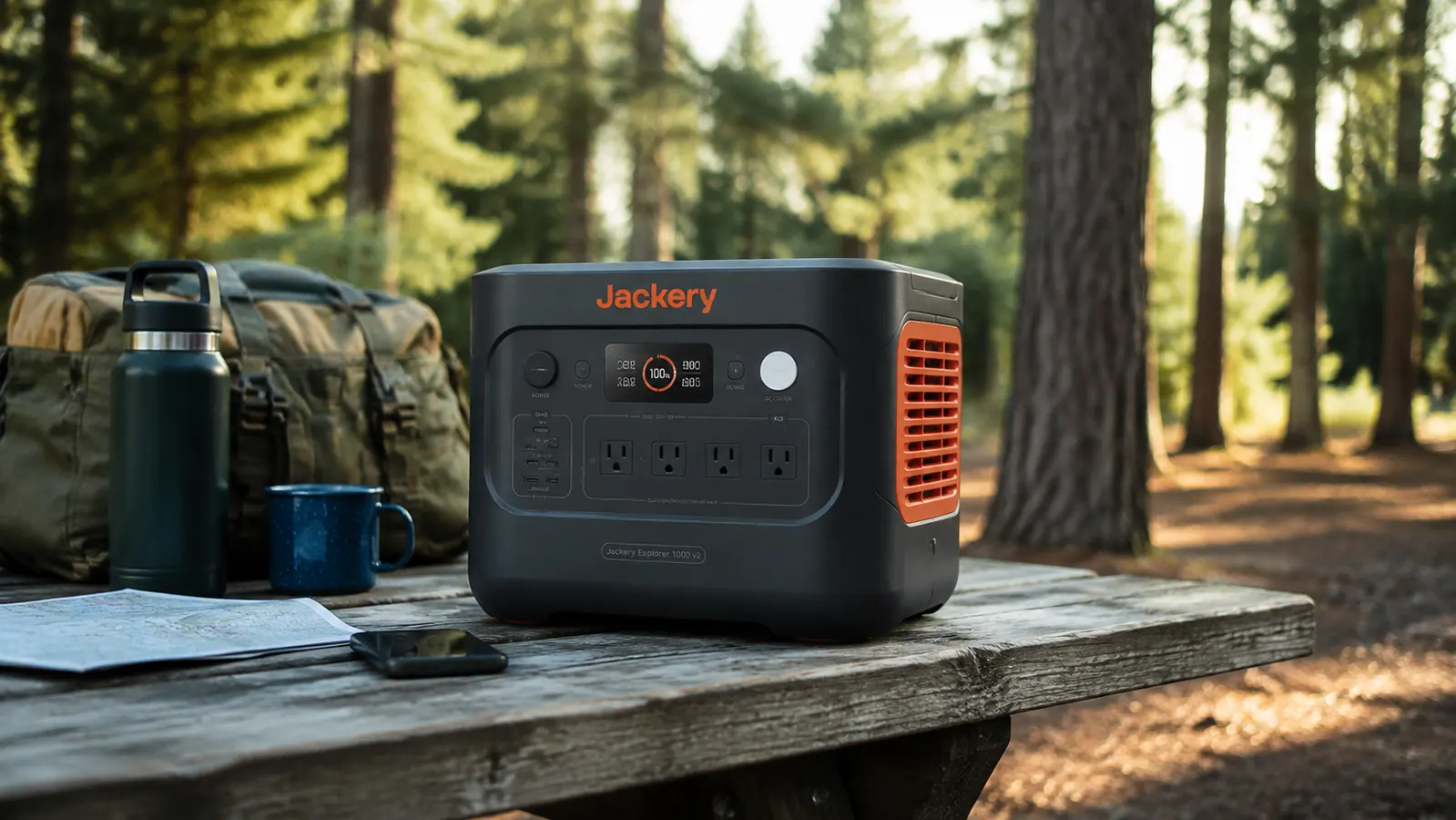
Jackery Explorer 1000 v2 Review: Six Months of Real-World Use
I am an ER nurse who runs solar and battery gear through camping trips and real blackouts. Here is the unfiltered report after six months with the Explorer 1000 v2.
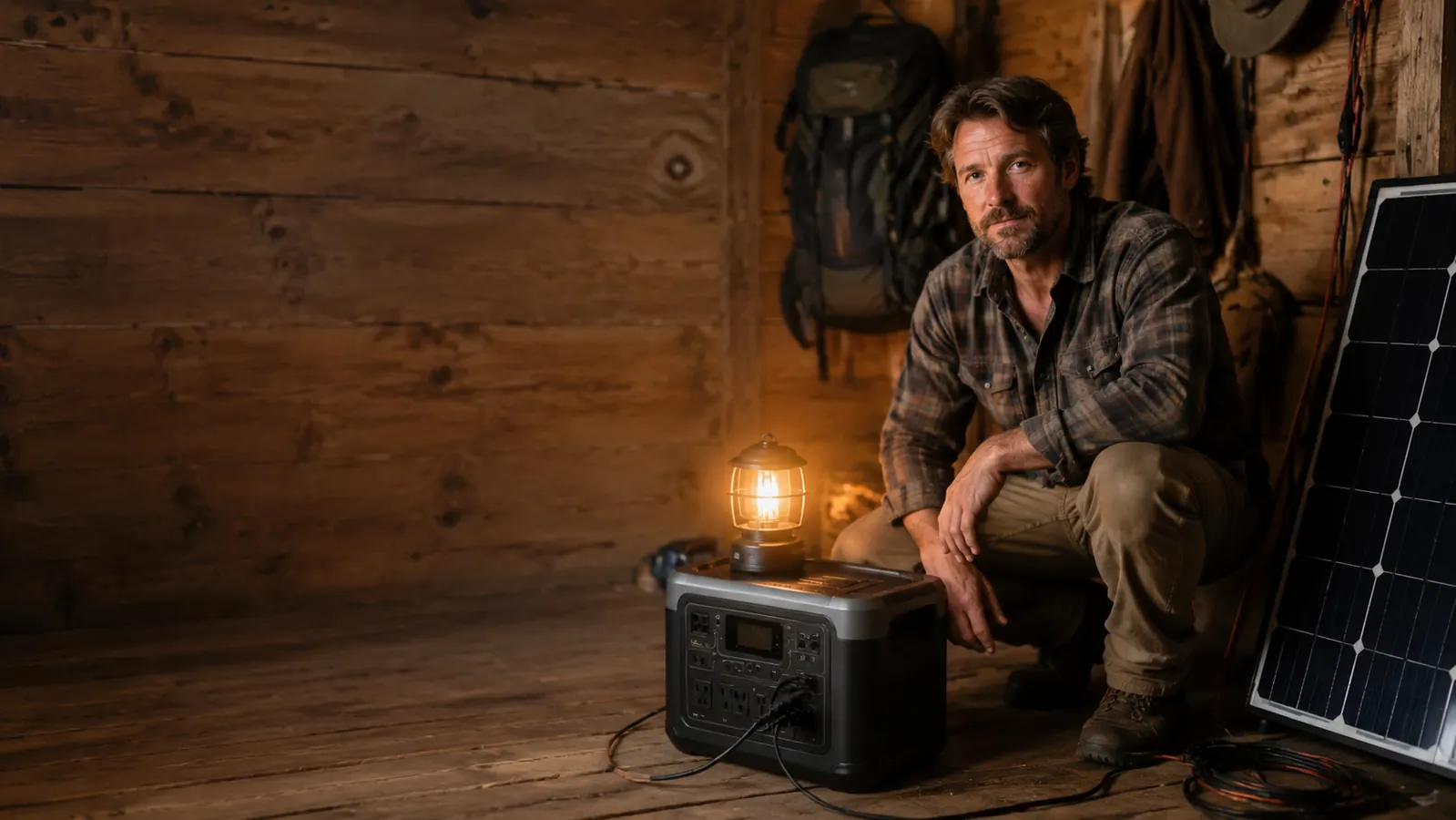
We built the whole weekend around shore power. Then the campground blew a breaker and took out half the sites. Here is exactly what happened next.
I am an ER nurse who runs solar and battery gear through camping trips and real blackouts. Here is the unfiltered report after six months with the Explorer 1000 v2.
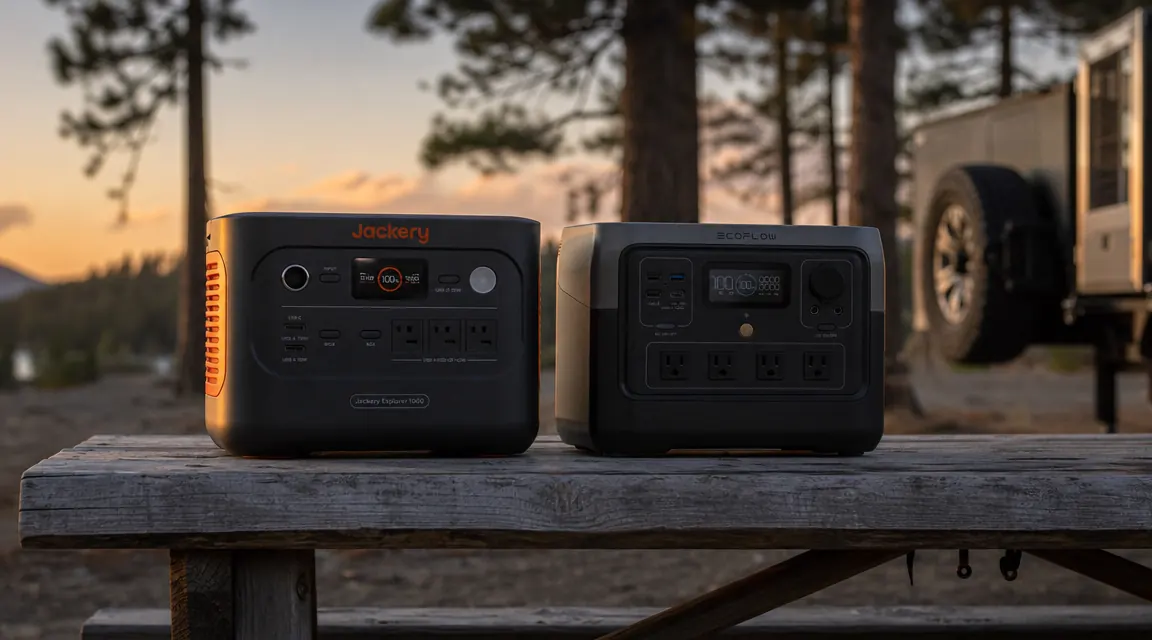
Both stations pack around 1000Wh and land in the same price bracket. Chad ran them back-to-back on a four-day camping trip and two overnight blackouts. Here is what actually separated them.
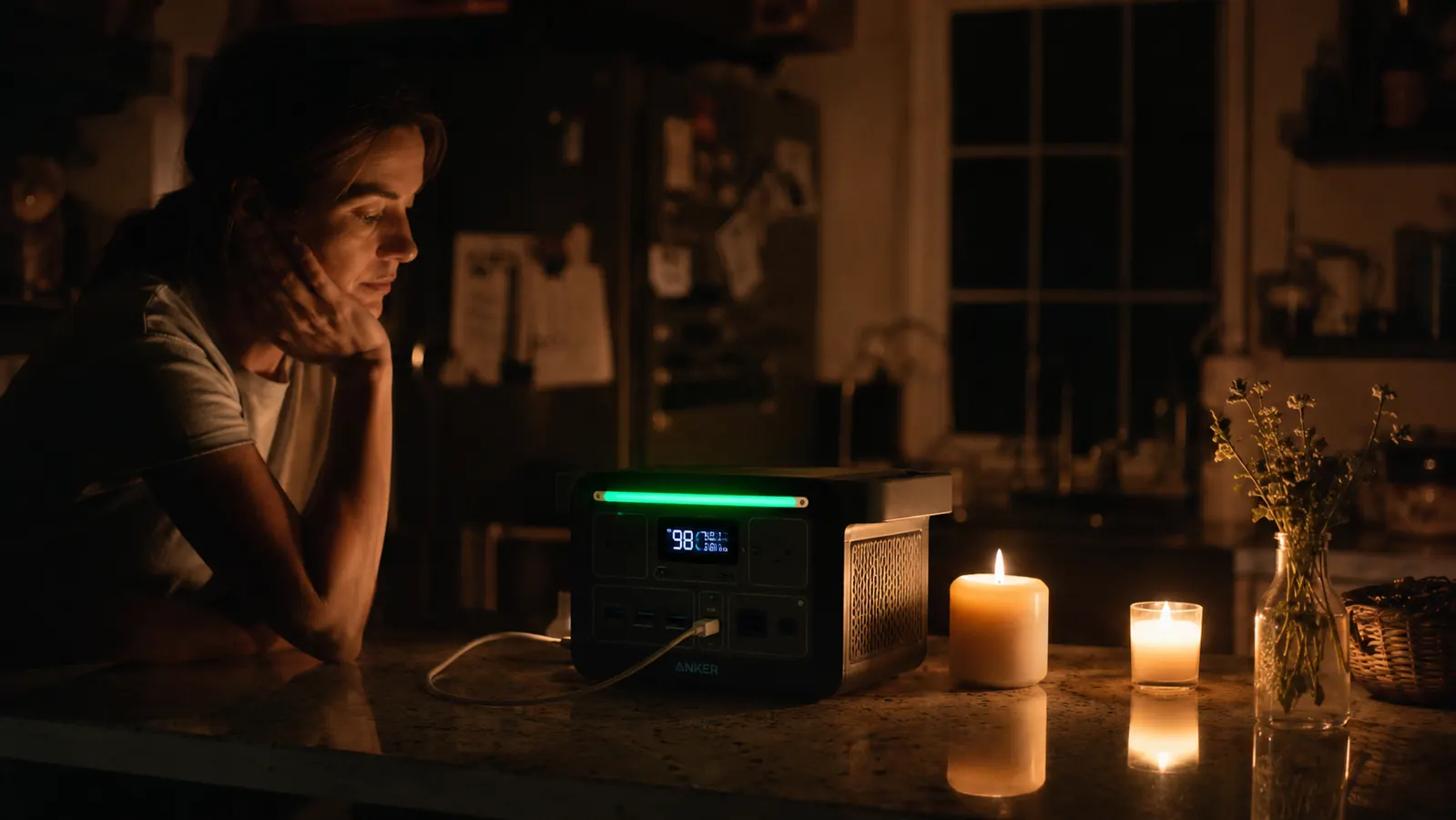
No fumes, no fuel runs, no pull cord. After two blackouts and counting, here is exactly why I keep this station plugged in by the front door.
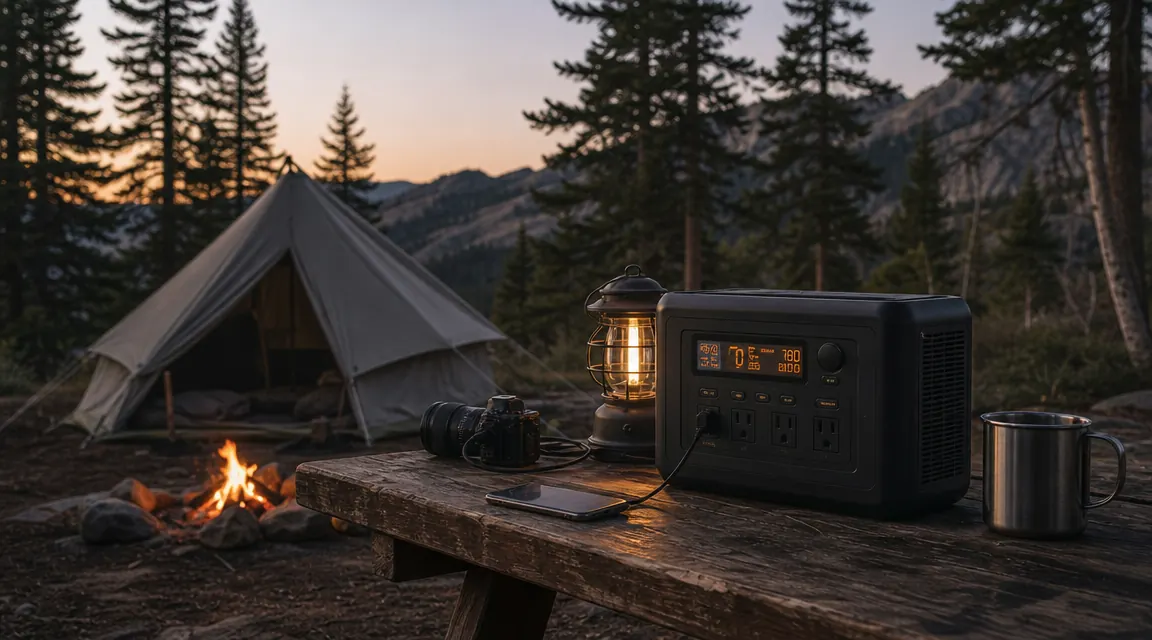
We built the whole weekend around shore power. Then the campground blew a breaker and took out half the sites. Here is exactly what happened next.
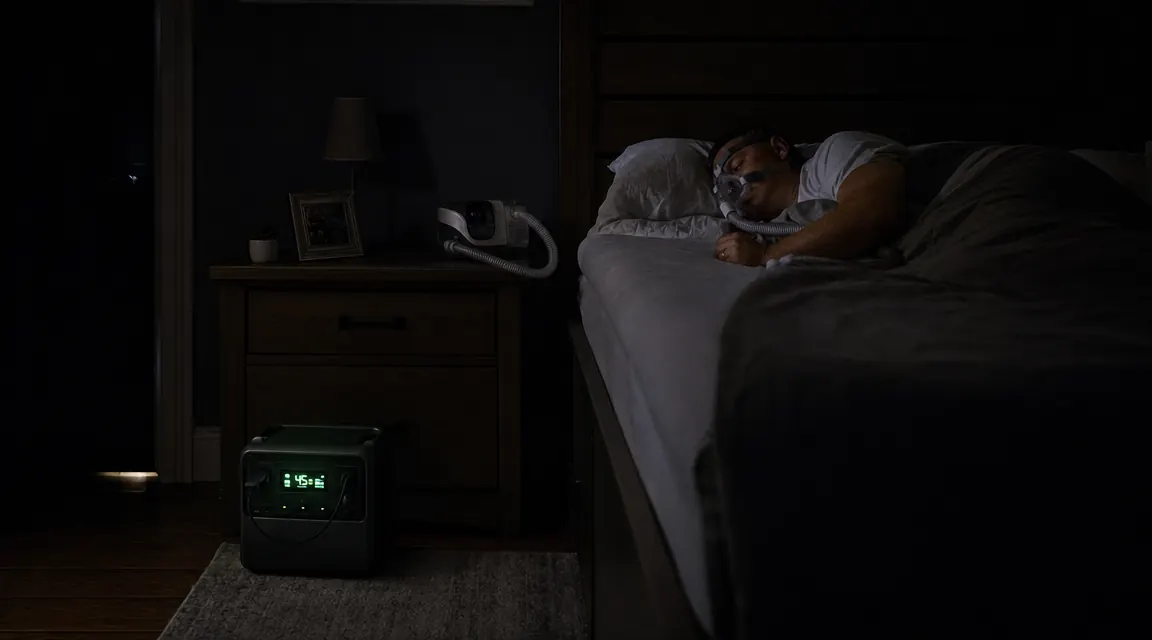
An ER nurse who uses a CPAP every night walks through the exact setup, the runtime math, and the one mistake that kills your sleep on night two of an outage.
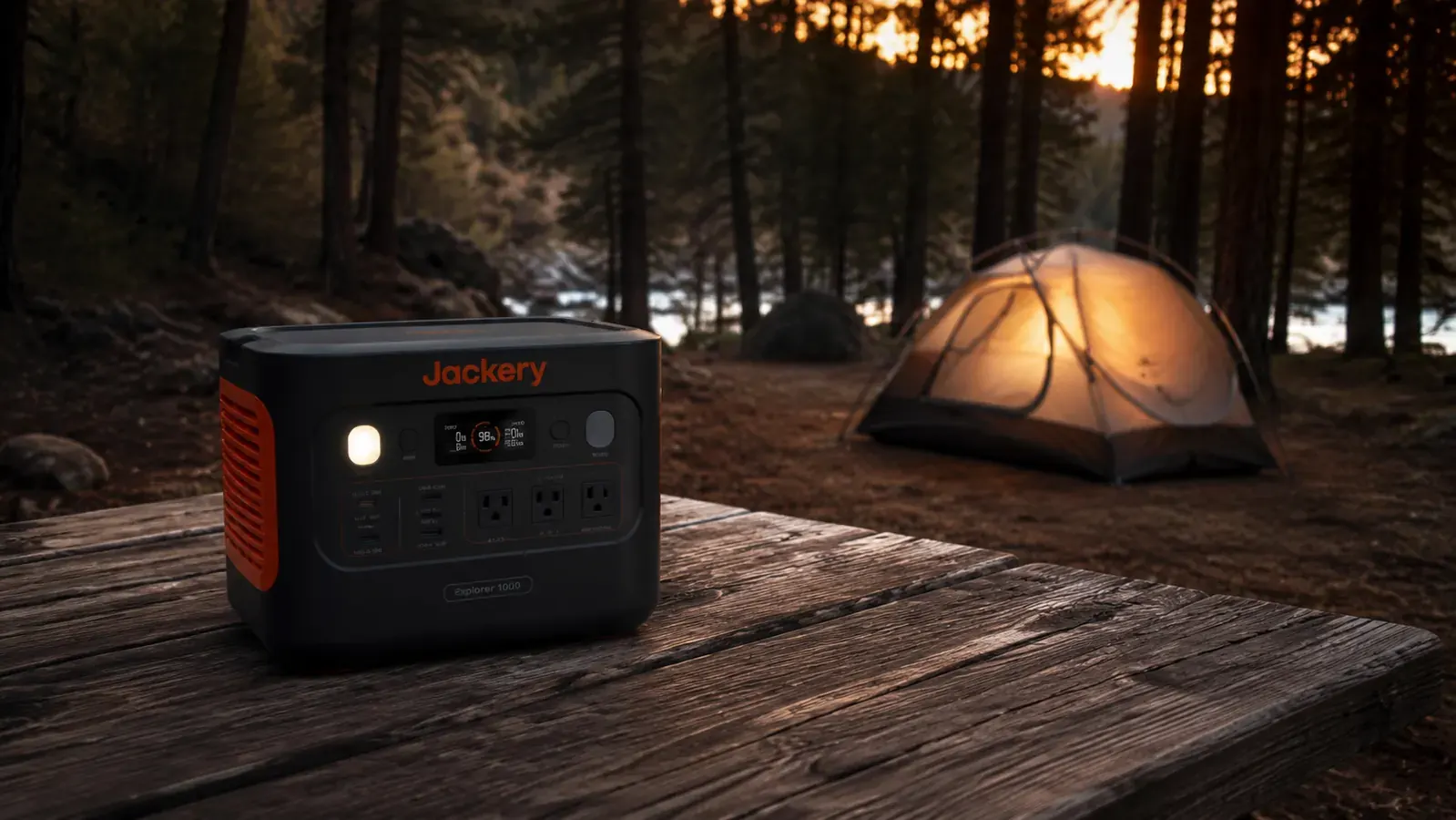
The marketing hits the highlights well. Here is what it leaves out, including the fan noise, the cold-weather capacity drop, and the recharge curve nobody bothers to chart.
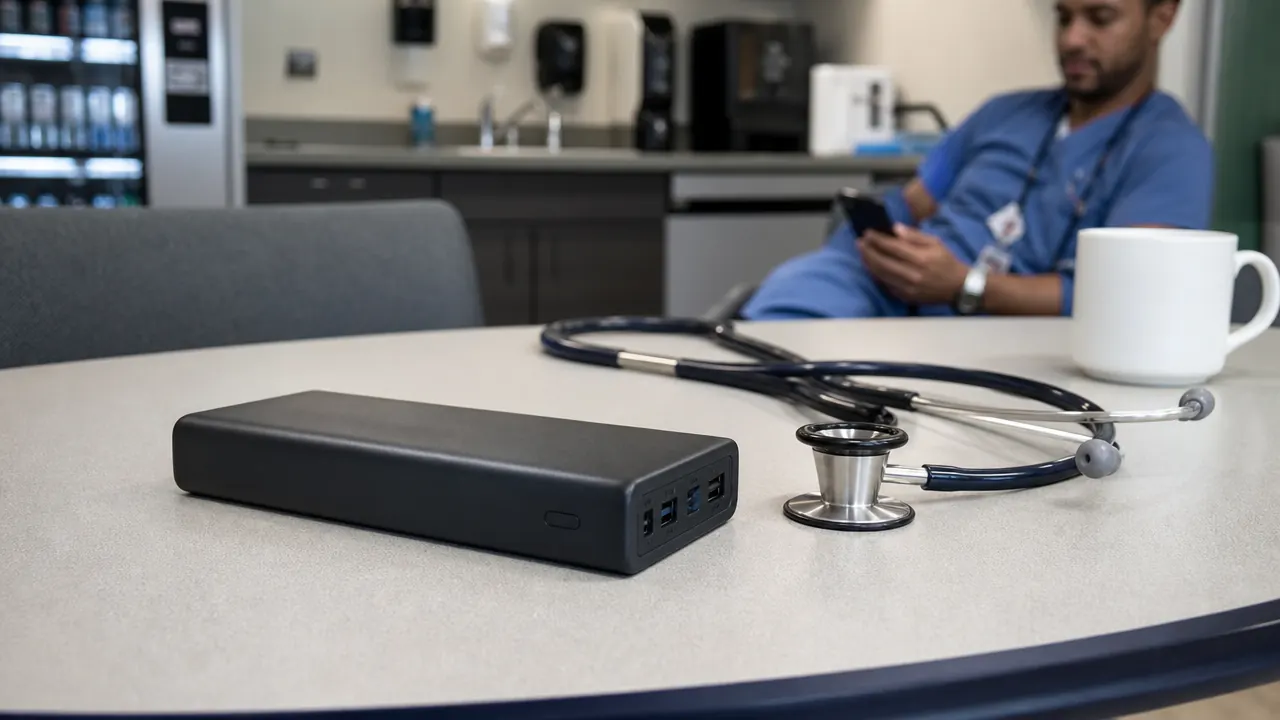
I carry a power bank to every 12-hour shift. After months of daily use, weekend camping, and one hurricane prep run, here is what I actually think of the Anker 25000.
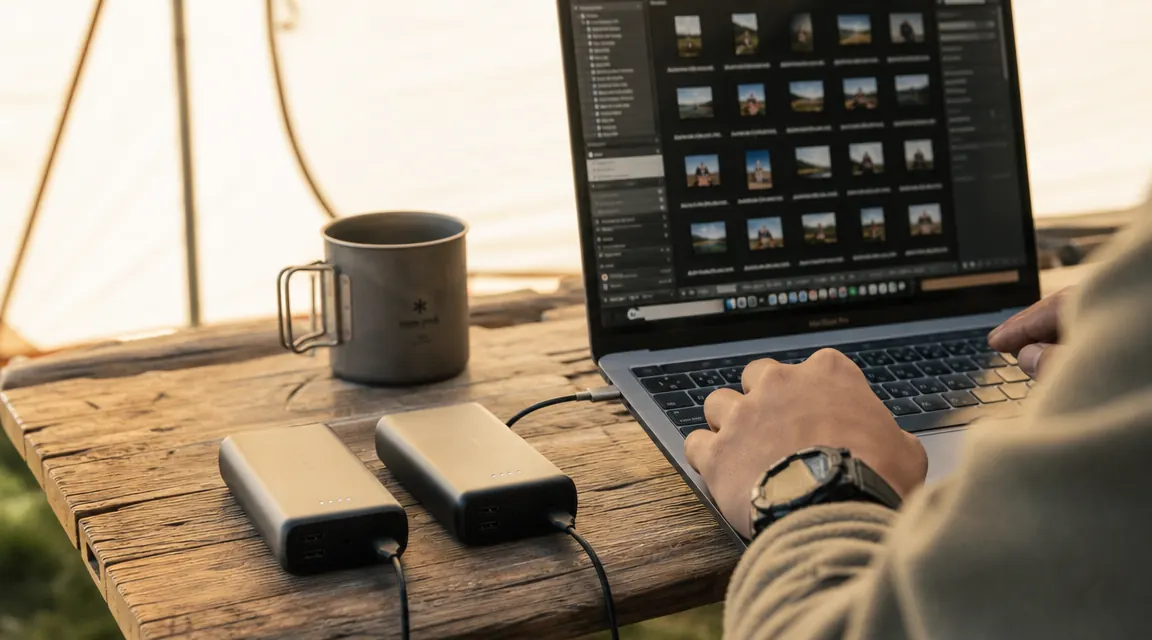
The Sherpa costs three times as much. Chad ran both through the same laptop charging test to find out whether that gap buys anything meaningful.

Three USB-C ports, all rated at 100W. A built-in retractable cable. And 25,000mAh to work through a seven-hour delay. Here is why I stopped hunting for outlets.
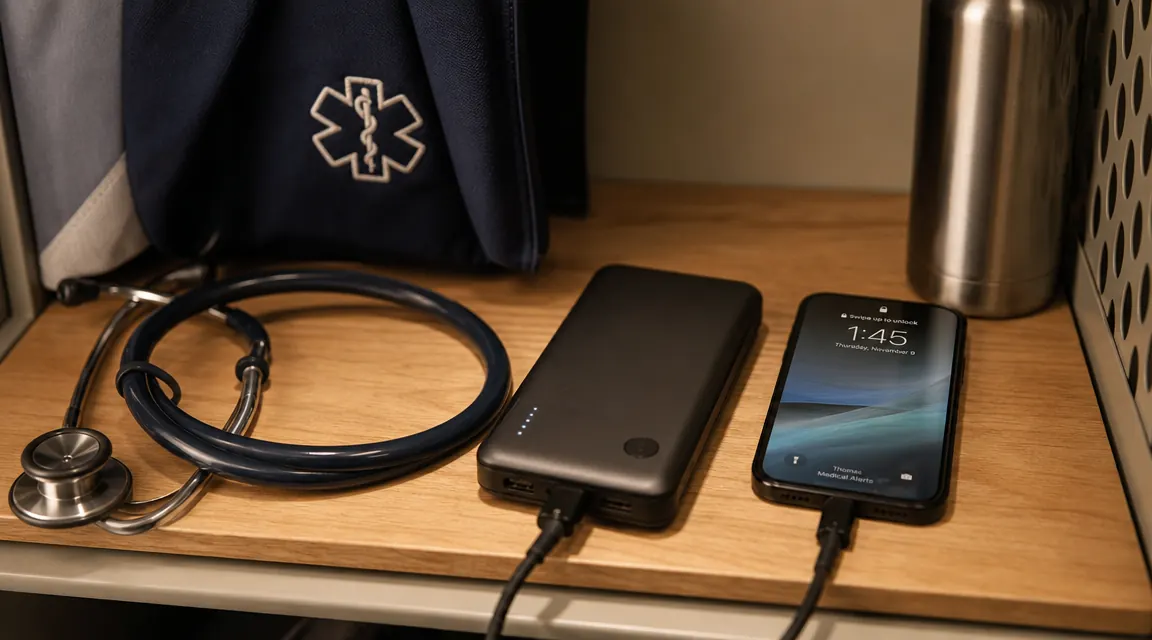
Dead phone at hour ten of a twelve-hour ER shift is not an option. Here is the power bank that solved that problem for good.
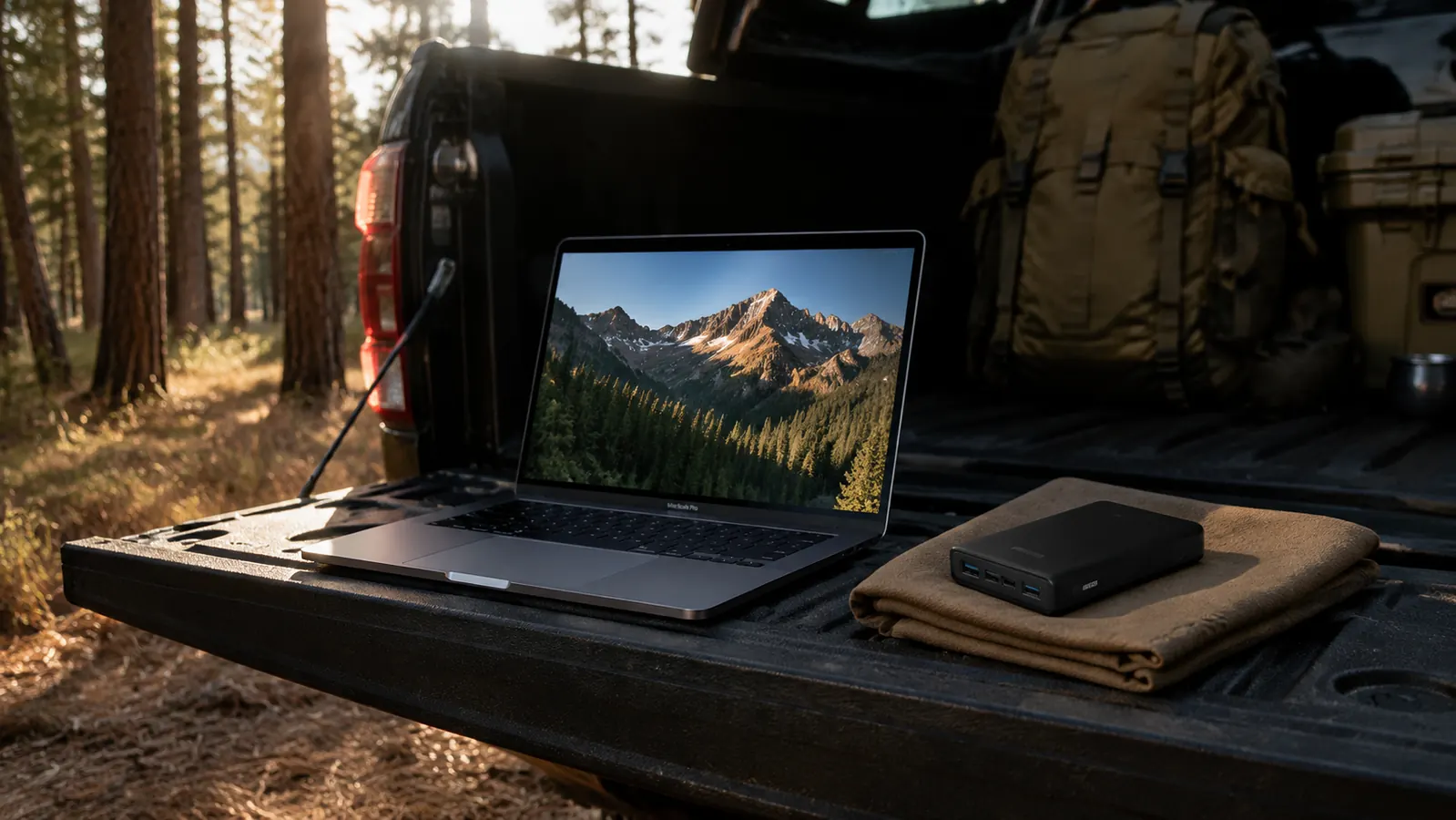
USB-C PD wattage, expected runtime by laptop class, and the one power bank worth carrying. A working guide from someone who actually does this.
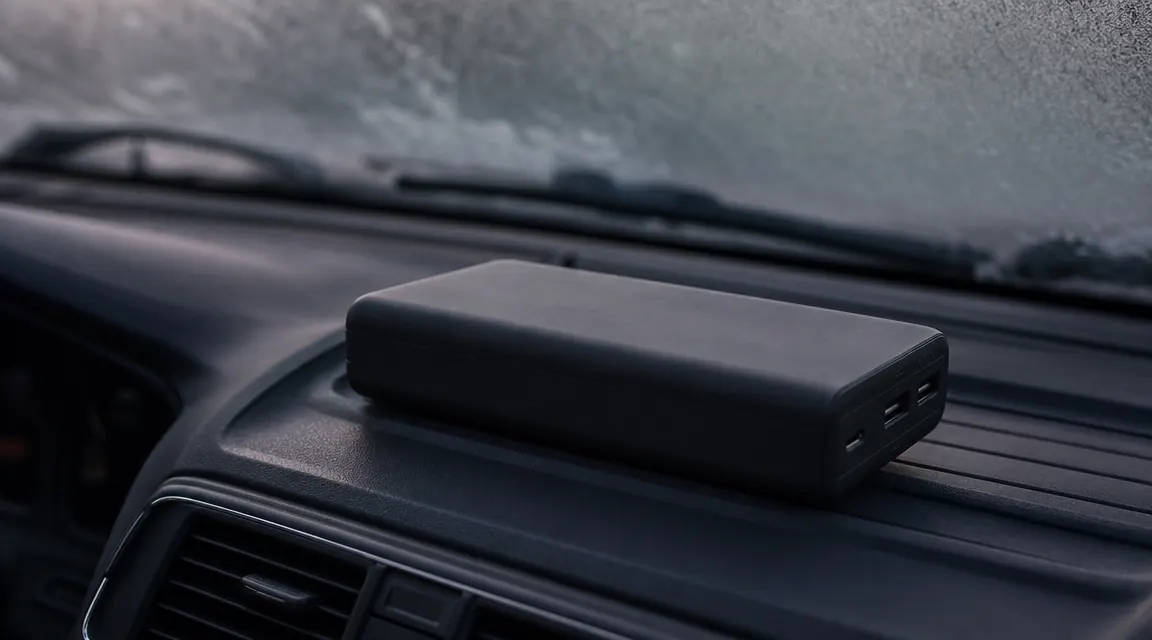
Weight in your hand, heat on your thigh, ports that show wear, a recharge curve that stalls at 80 percent, and what happens when you try to read the charge indicator after a night in a cold truck. Here is what the marketing page leaves out.
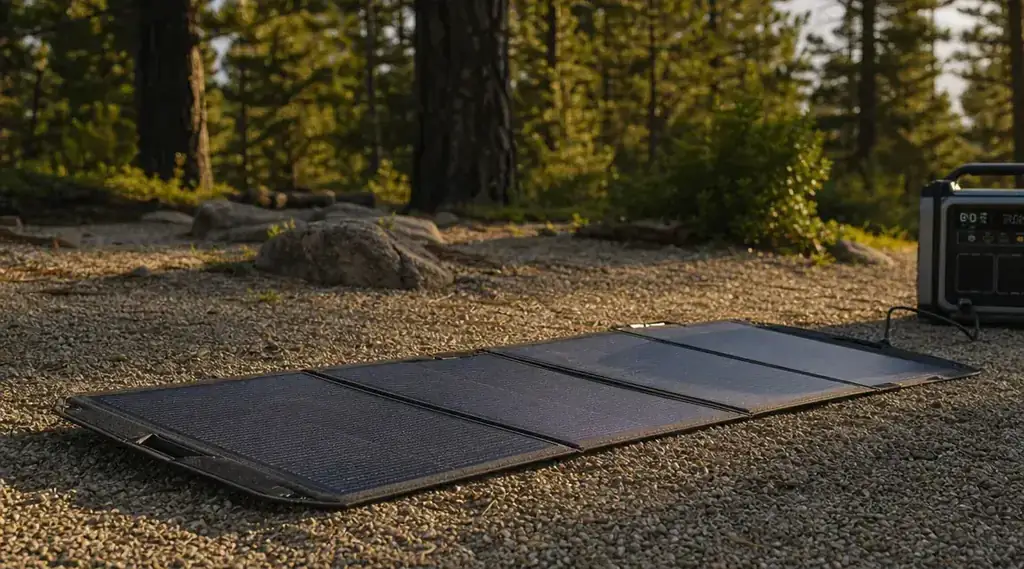
I hauled this panel through a Colorado summer, three fall overland weekends, and a Tennessee winter. Here is what 200 watts actually looks like on the ground.
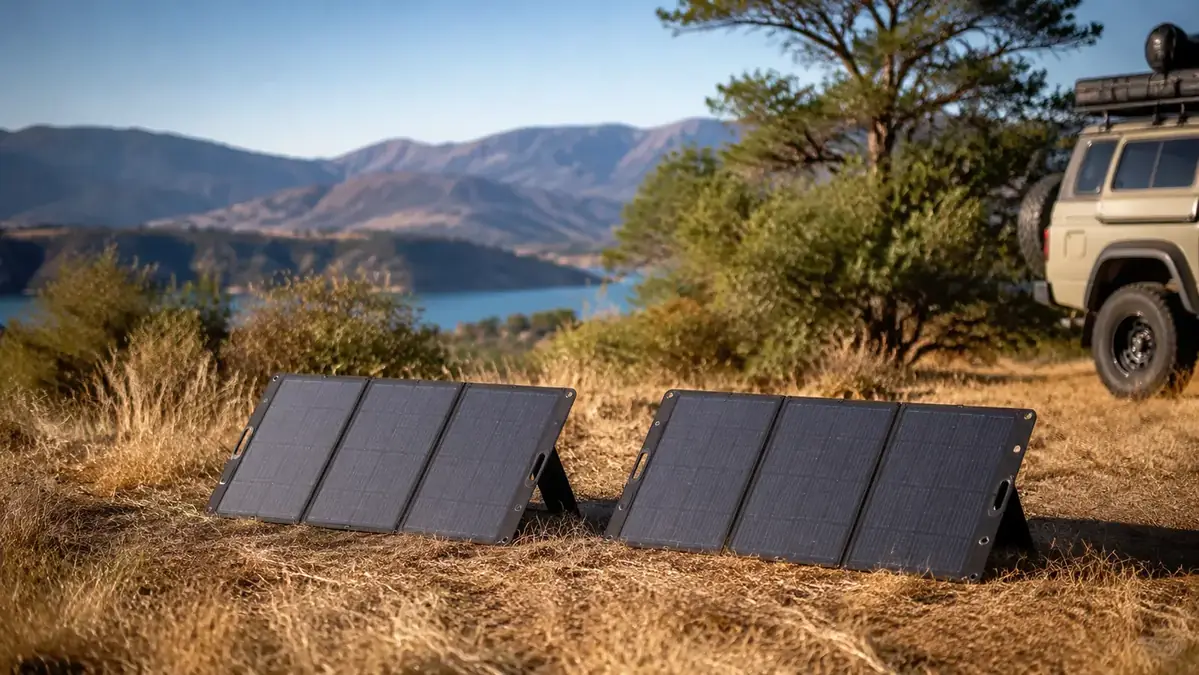
One is mid-priced. The other runs at a premium. Chad ran both panels side by side on the same cloudless July afternoon and measured actual watt-hour output. The gap in real-world numbers surprised even him.
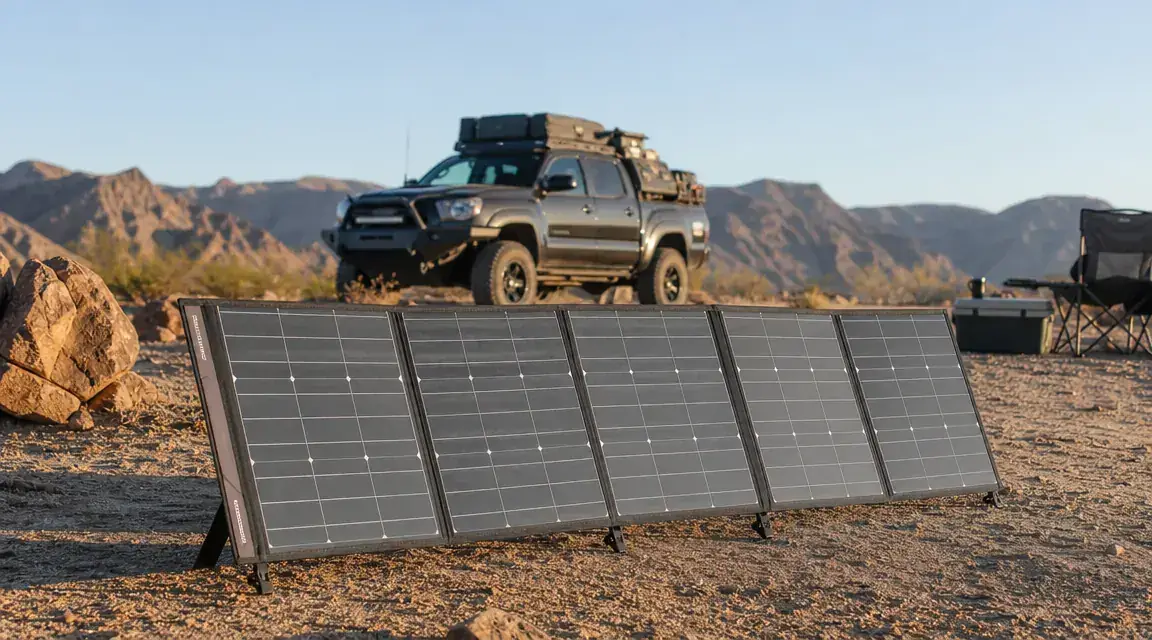
IP65 waterproofing, four kickstands, MC4 output, and a real 200W rating at noon. Here are 10 specific reasons this panel earns its spot in the truck.
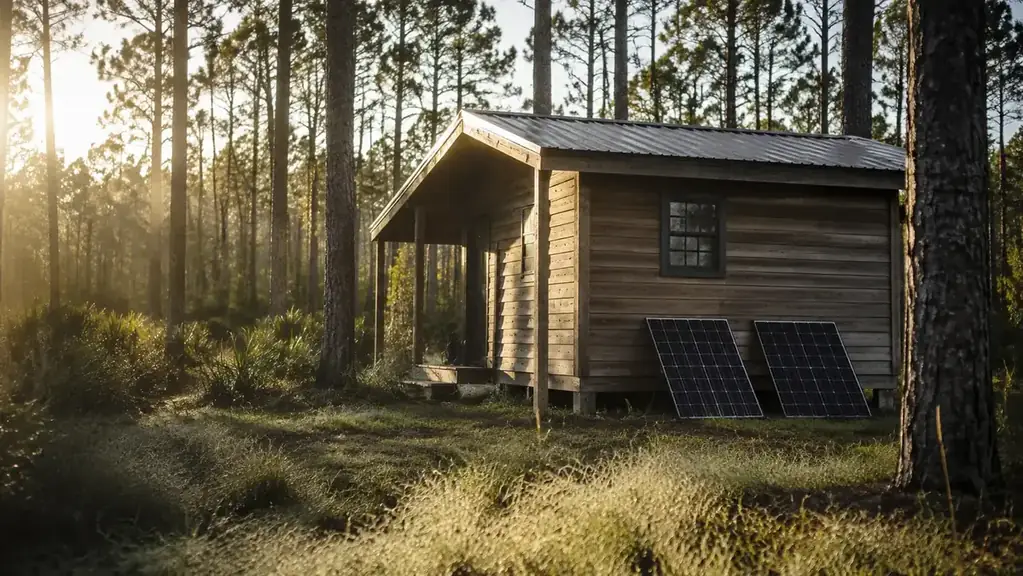
No grid hookup, no generator noise. Chad walks through the exact two-panel-and-power-station setup that powers his 12x16 hunting cabin through a full October weekend.
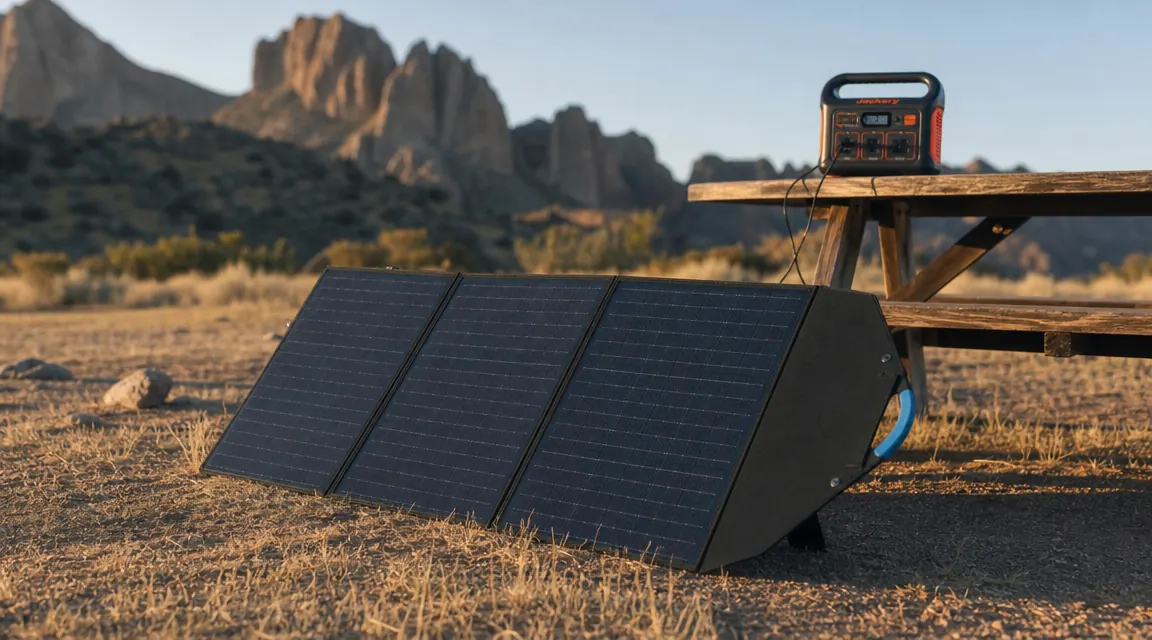
Connectors, optimal angle, MPPT input limits, and the math on getting a 1000Wh station full before dark using 200W of Renogy solar.
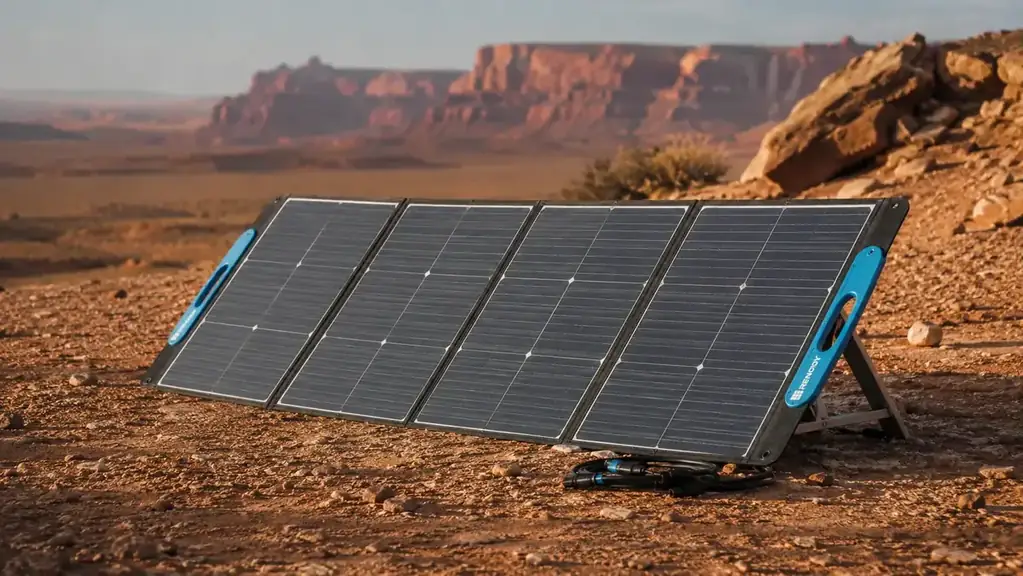
Real output numbers on cloudy days, the MC4 cable length problem, a kickstand that will annoy you, and what 200W actually means when the sun is not perfectly overhead.
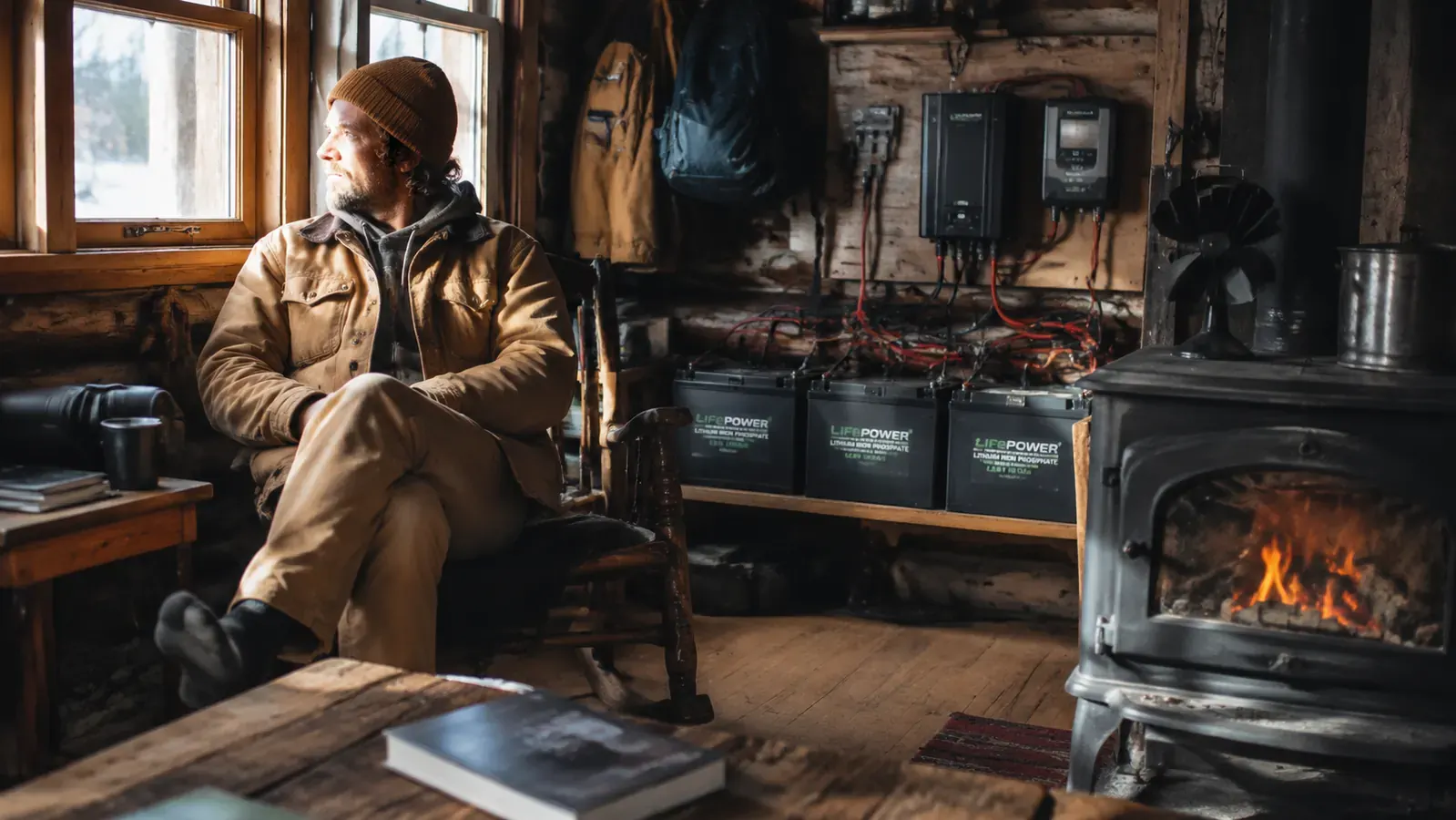
Chad ran two LiTime 100Ah batteries through two full years of real cycling. Here is what the capacity numbers, BMS behavior, and cycle depth looked like in practice.
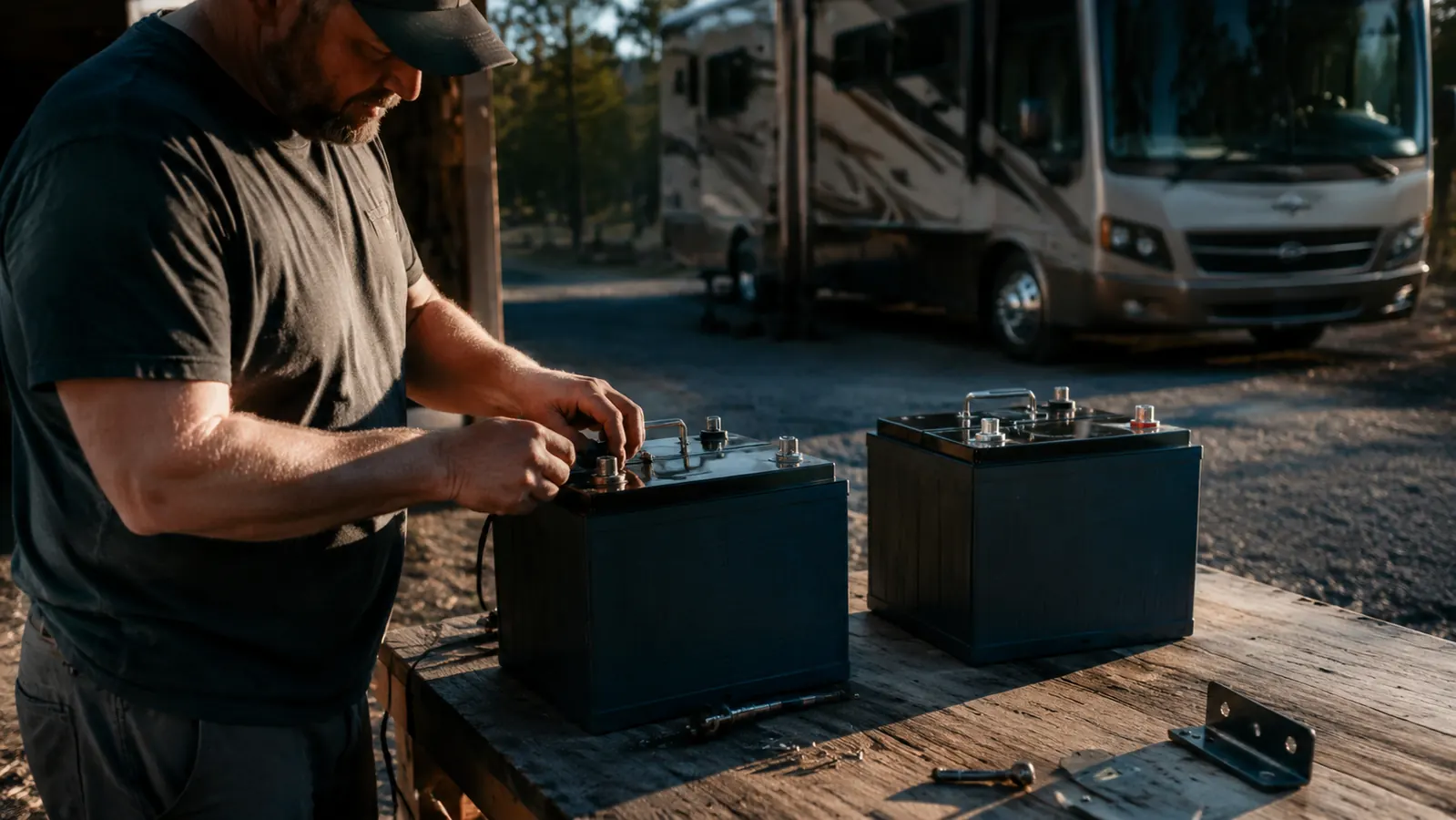
Battle Born costs nearly three times as much. Chad spent two years running LiTime batteries in an RV and an off-grid cabin to find out whether the premium is ever justified.
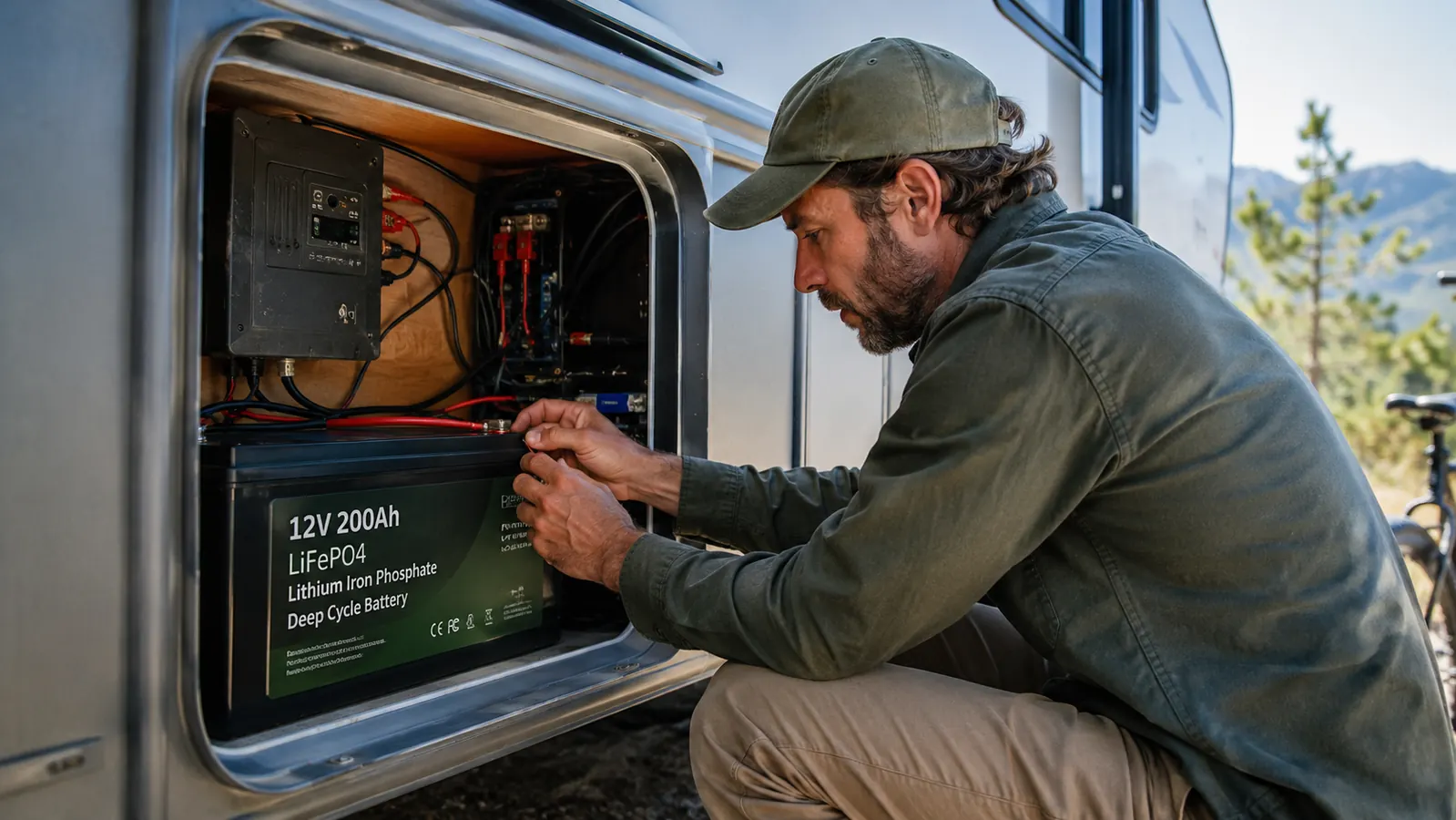
I ran AGM for three years in my RV and a season in my off-grid cabin before switching to LiFePO4. The difference is not subtle. Here is exactly what changed.
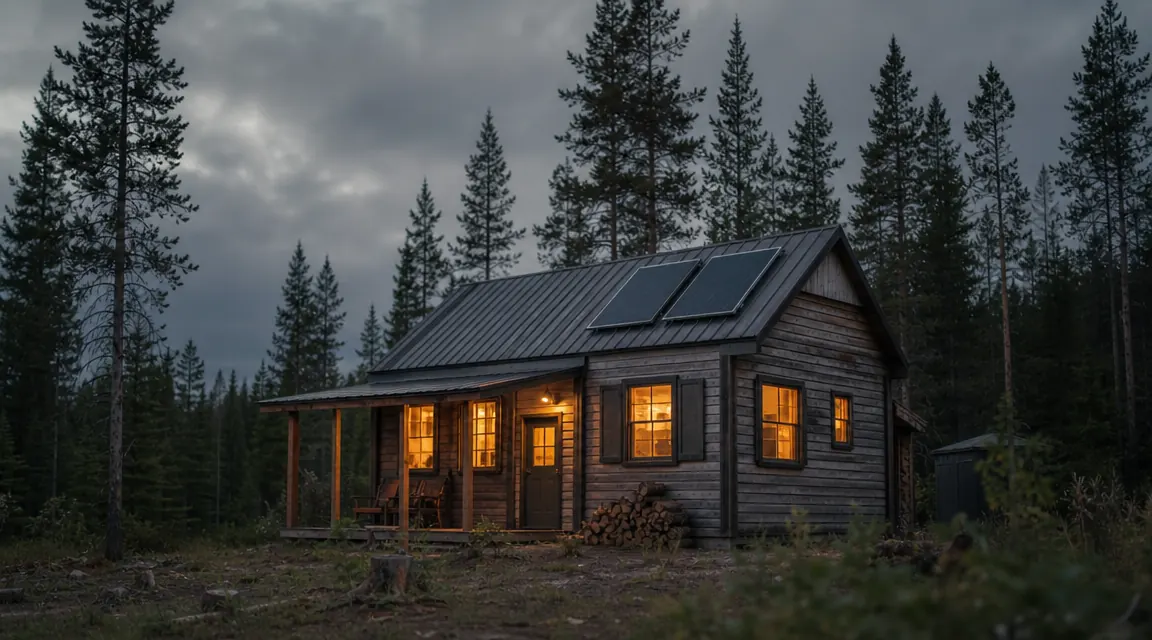
After two failed AGM setups and one frustrating lead-acid winter, Chad wired four LiTime 12V 100Ah batteries in series-parallel and stopped hauling a generator.

Most people buy a battery and hope it is enough. This guide shows you the actual math so you stop guessing and start knowing.
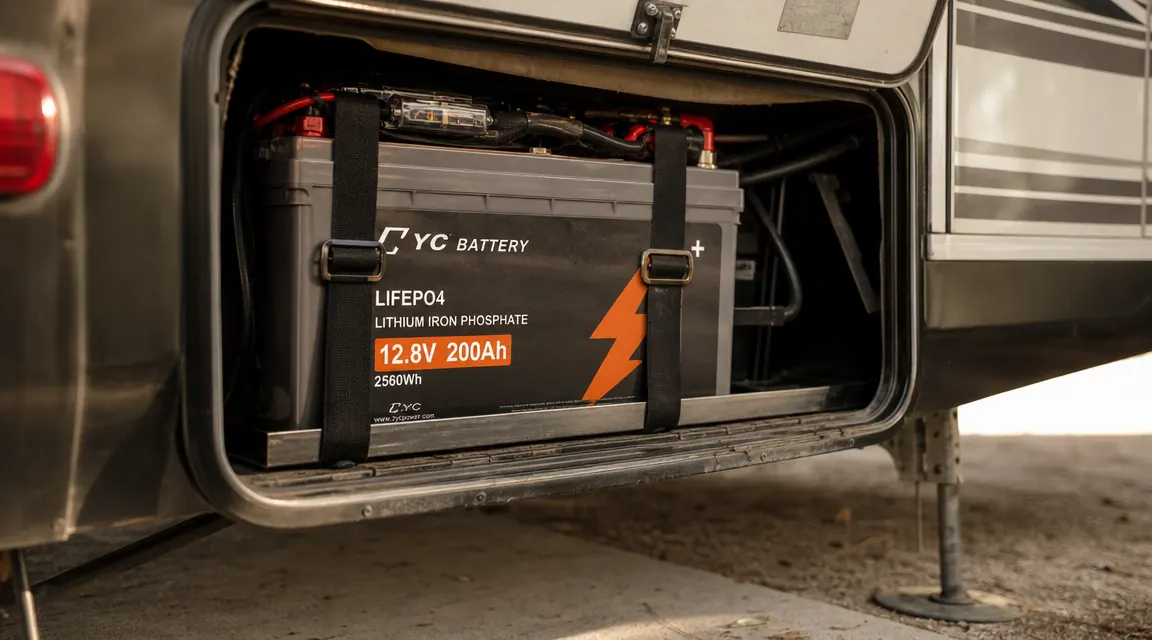
The marketing covers 15000 cycles and 10-year life. It does not cover what happens when you try to charge at 28F, or why your terminal lugs might not fit, or why your BMS just went silent on a Friday night.
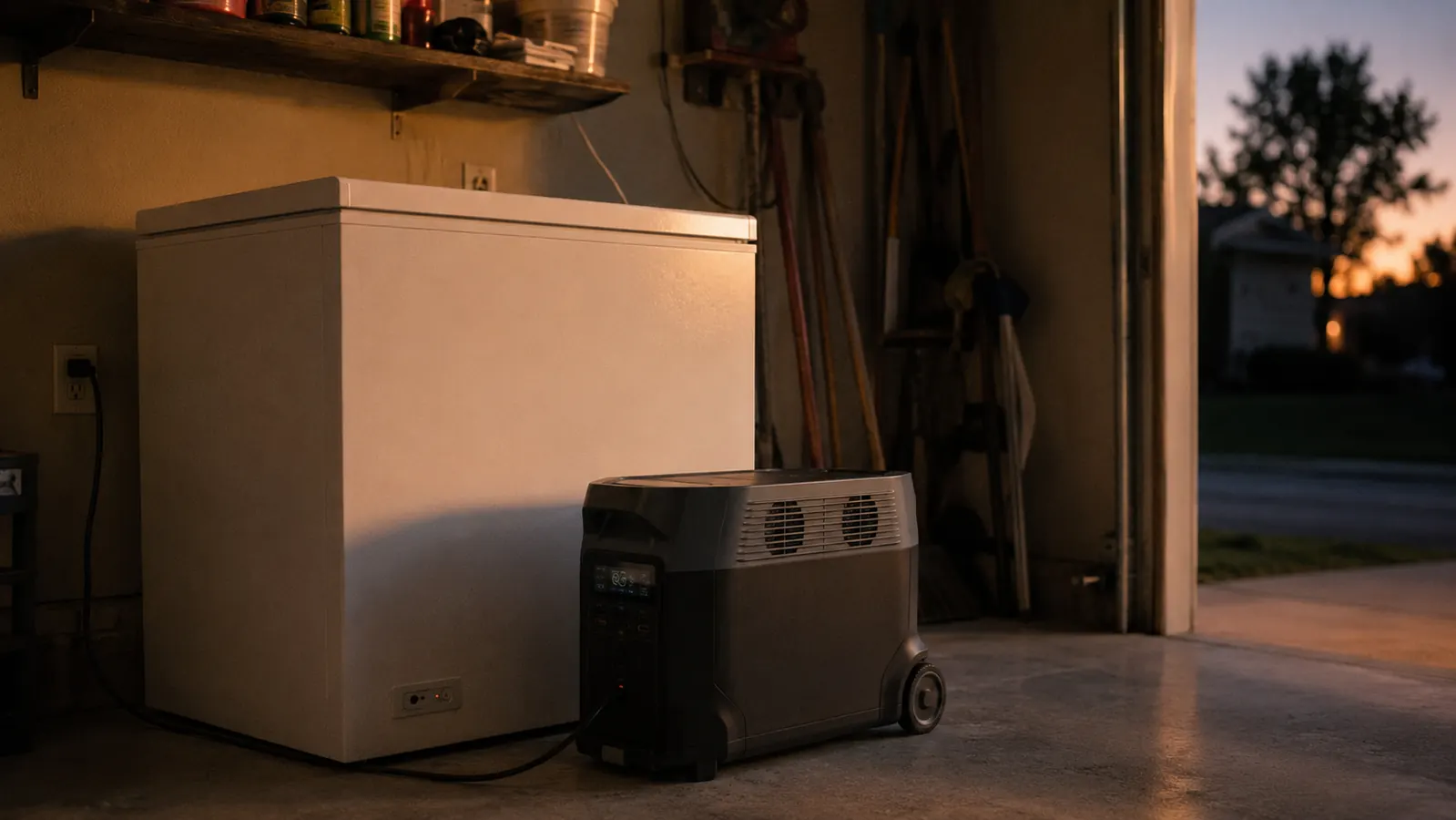
An ER nurse who runs a chest freezer, a CPAP, a nebulizer, and a ham radio off one power station gives you the numbers, the frustrations, and the honest verdict.
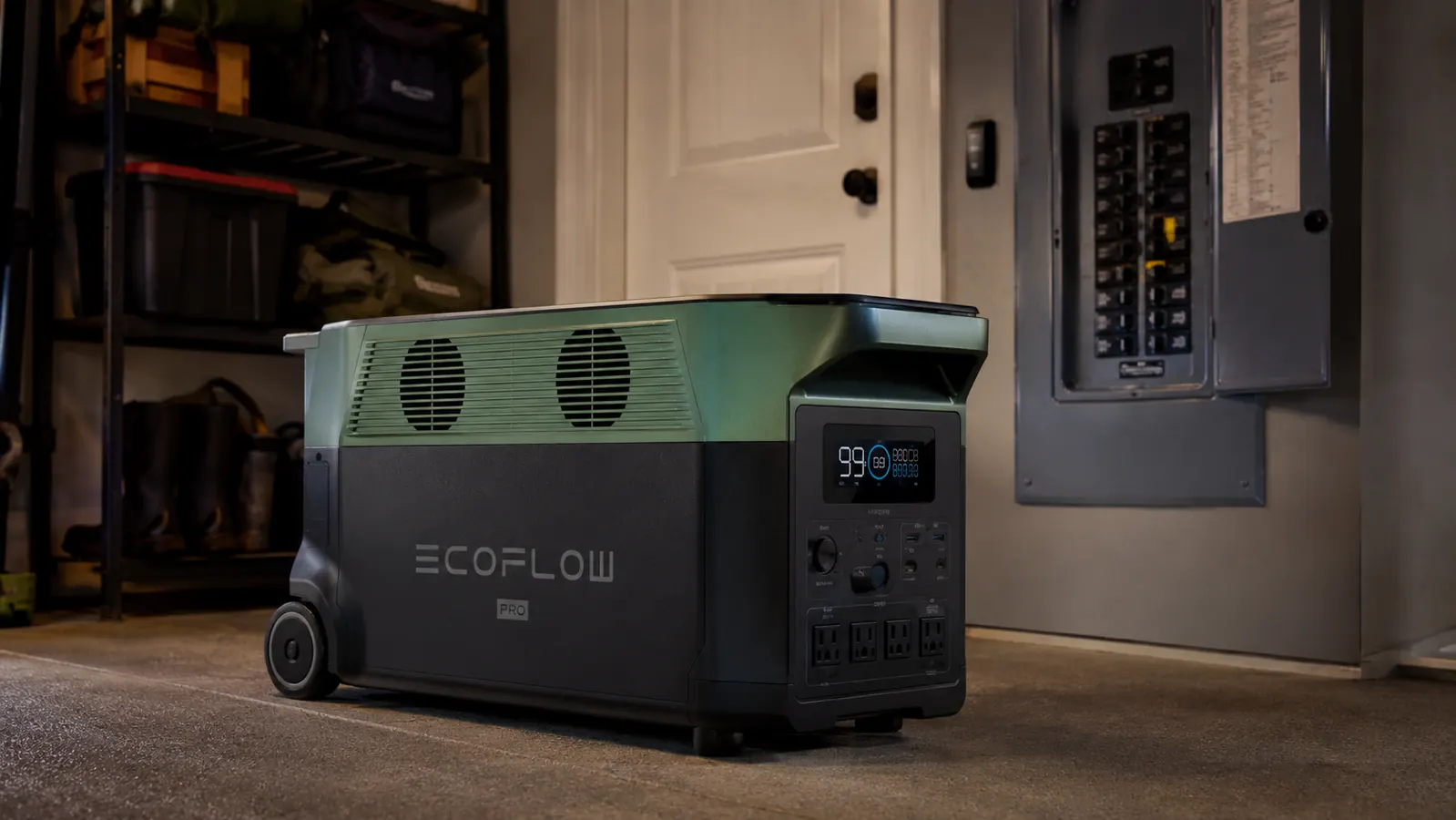
Both units promise enough capacity to ride out a multi-day blackout. Chad ran the Delta Pro through a full year of real outages and compared it against the AC300's specs, owner reports, and known failure points.
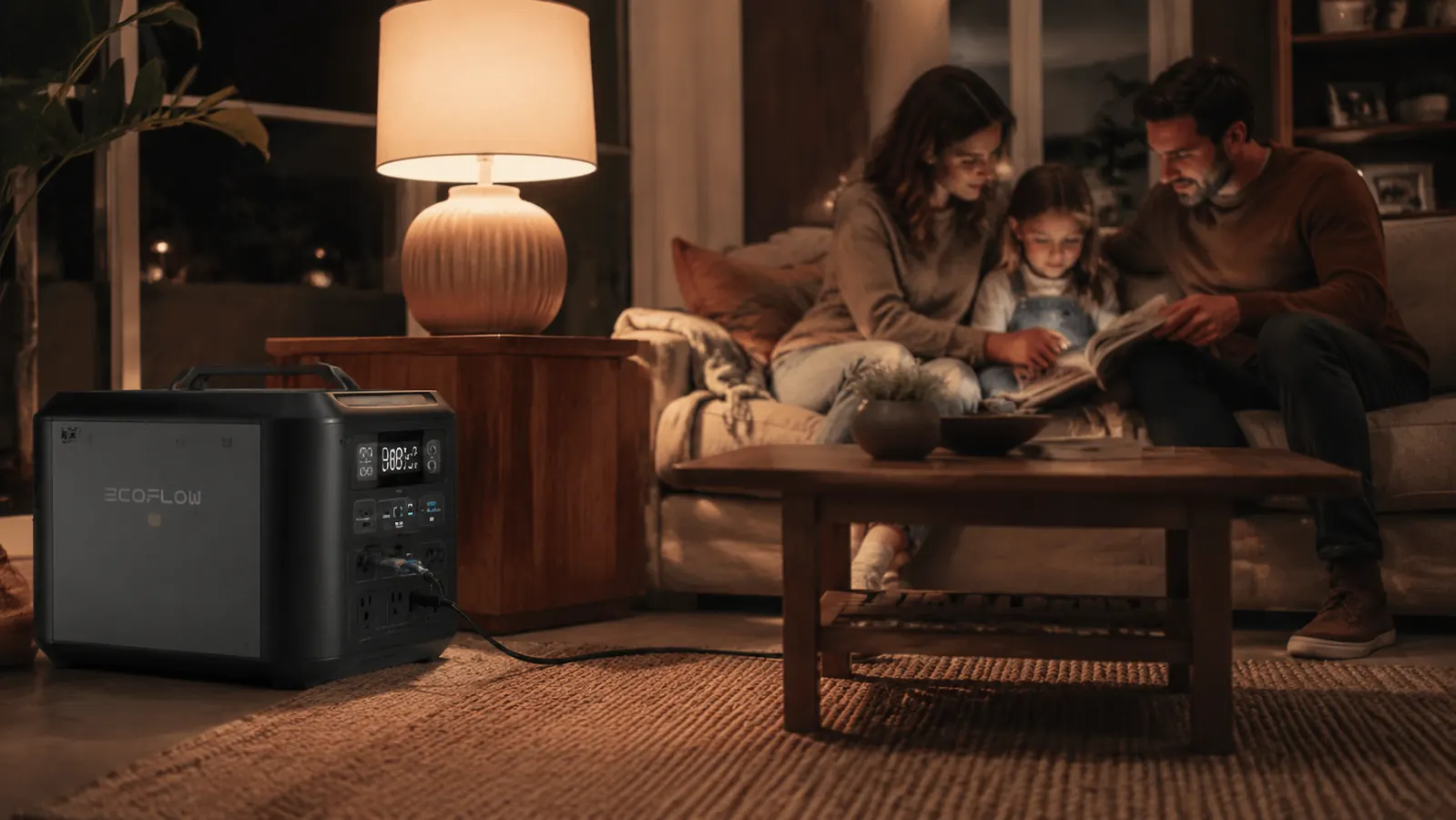
No exhaust, no fuel runs, no carb seizure at 2 a.m. Chad breaks down exactly why the Delta Pro outperforms a comparably priced gas generator when the grid goes down.
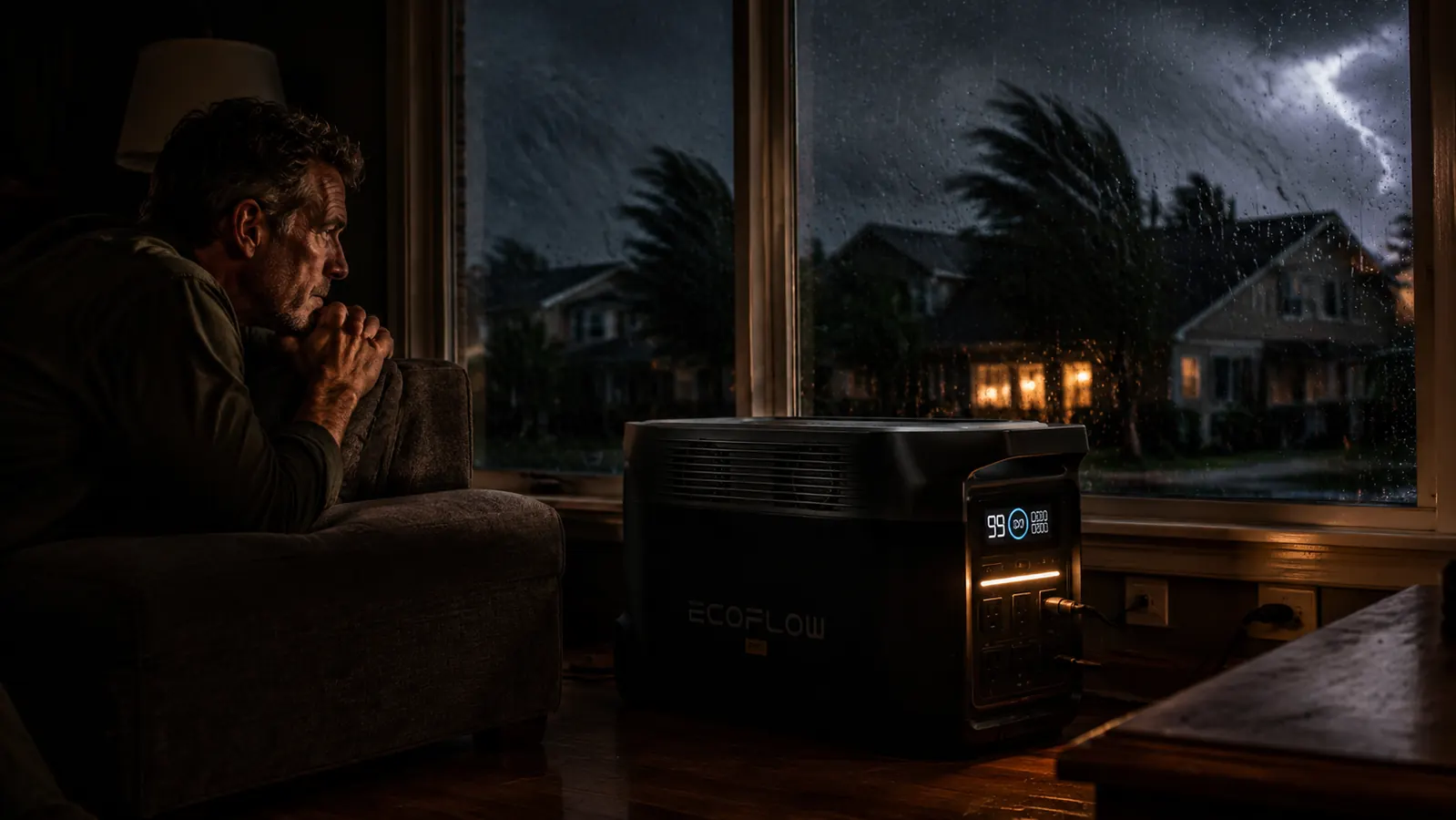
An ER nurse's honest account of a four-day outage, what a 3600Wh power station actually covered, and the one thing he would do differently.
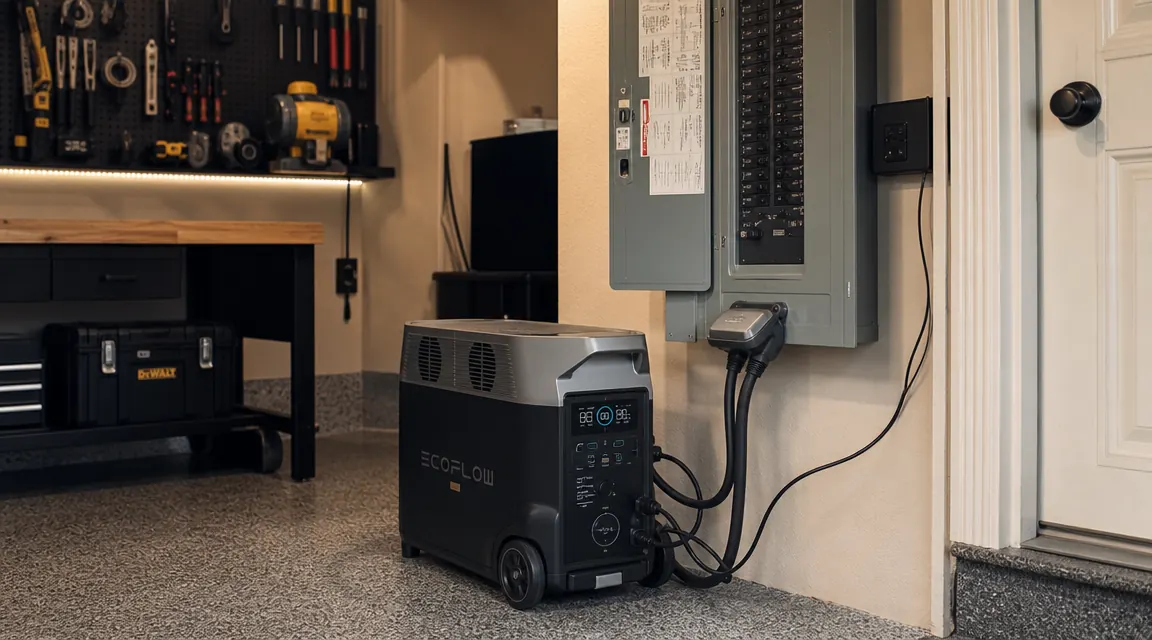
Five steps from unboxing to automatic failover, covering the Smart Home Panel 2 route, manual transfer switch route, which circuits to protect first, expandable battery pairing, and the solar math for staying topped up through a week-long outage.
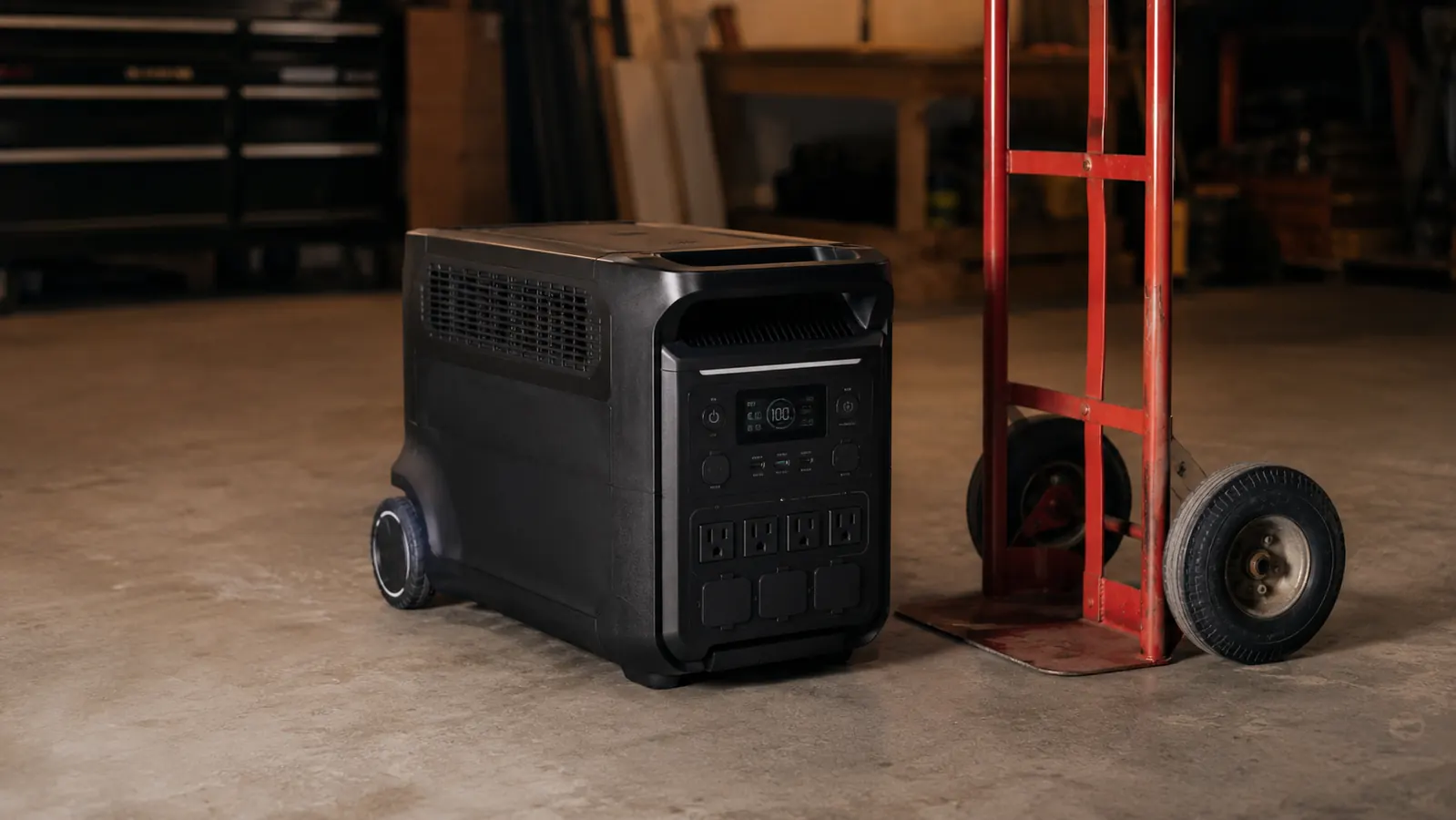
99 pounds, three app rebuilds in one year, fan noise that will wake your partner, and solar recharge math that rarely hits the brochure number. Here is what the product page leaves out.
I am an ER nurse who runs solar and battery gear through camping trips and real blackouts. Here is the unfiltered report after six months with the Explorer 1000 v2.
The marketing hits the highlights well. Here is what it leaves out, including the fan noise, the cold-weather capacity drop, and the recharge curve nobody bothers to chart.
I carry a power bank to every 12-hour shift. After months of daily use, weekend camping, and one hurricane prep run, here is what I actually think of the Anker 25000.
Weight in your hand, heat on your thigh, ports that show wear, a recharge curve that stalls at 80 percent, and what happens when you try to read the charge indicator after a night in a cold truck. Here is what the marketing page leaves out.
I hauled this panel through a Colorado summer, three fall overland weekends, and a Tennessee winter. Here is what 200 watts actually looks like on the ground.
Real output numbers on cloudy days, the MC4 cable length problem, a kickstand that will annoy you, and what 200W actually means when the sun is not perfectly overhead.
Chad ran two LiTime 100Ah batteries through two full years of real cycling. Here is what the capacity numbers, BMS behavior, and cycle depth looked like in practice.
The marketing covers 15000 cycles and 10-year life. It does not cover what happens when you try to charge at 28F, or why your terminal lugs might not fit, or why your BMS just went silent on a Friday night.
An ER nurse who runs a chest freezer, a CPAP, a nebulizer, and a ham radio off one power station gives you the numbers, the frustrations, and the honest verdict.
99 pounds, three app rebuilds in one year, fan noise that will wake your partner, and solar recharge math that rarely hits the brochure number. Here is what the product page leaves out.